Strategic Advisory

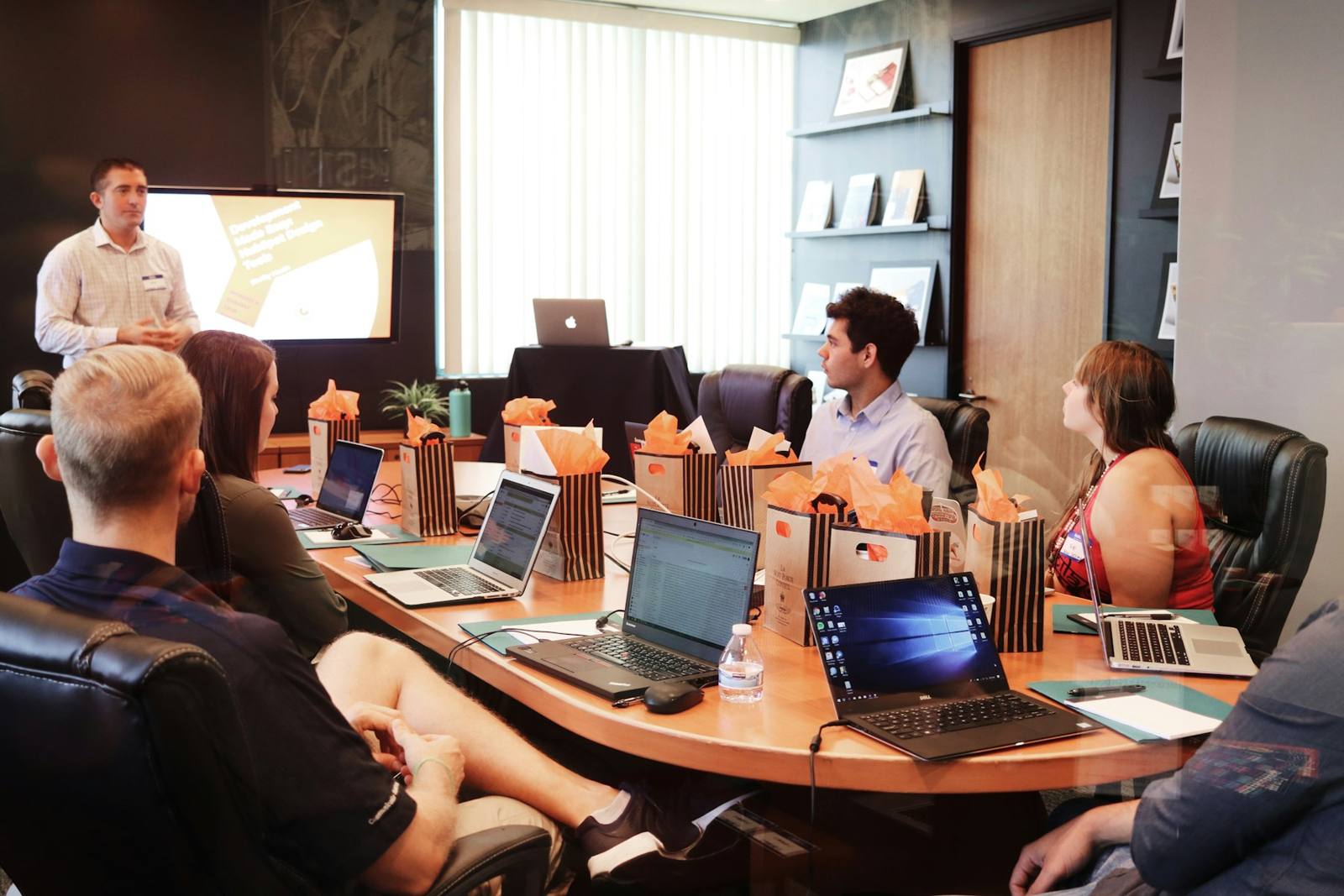
Leadership conversation in a bright office

Strategic Advisory

Strategic Advisory

Clarity for the Decisions That Shape Performance.

Discuss a Strategic Challenge

Leaders are often expected to make consequential decisions amid complexity, competing priorities, organisational friction and uncertainty about what will deliver the greatest impact.

The challenge is not always a lack of strategy. It may be difficulty deciding what matters most, aligning the leadership team, resolving organisational barriers or ensuring that strategic choices translate into execution.

Cognition Global Concepts provides strategic advisory to CEOs, founders and leadership teams seeking greater clarity, stronger alignment and more reliable organisational performance.

Our work helps leaders examine complex business challenges, sharpen strategic priorities, strengthen decision-making and address the organisational conditions that determine whether strategy succeeds.

Grounded in the Trust Operating System™ (Trust OS™), the advisory approach connects strategic thinking with leadership effectiveness, organisational trust and execution discipline.

Executive working session

Strategic Thinking Must Lead to Strategic Action

A strategy creates value when it guides decisions, focuses resources and shapes the way an organisation operates.

Yet organisations can lose momentum when leaders pursue too many priorities, operate with different assumptions, delay difficult decisions or struggle to coordinate execution across functions.

Strategic advisory creates the space to step back from immediate pressures, examine the bigger picture and determine what the organisation needs to do next.

Depending on the challenge, this may involve clarifying strategic direction, evaluating opportunities, strengthening executive alignment, reviewing organisational effectiveness or designing a practical path through transformation.

The objective is to help leaders make better-informed choices and connect those choices to the actions, responsibilities and operating disciplines required for progress.

Areas of Strategic Advisory

1

Strategic Direction and Prioritisation

Clarify the organisation's mission, vision, values and goals, and assess how effectively these guide strategic choices and resource allocation.

Advisory may focus on:

Refining strategic priorities and desired outcomes.

Evaluating competing opportunities and demands.

Connecting long-term direction to near-term goals.

Identifying the choices the organisation must make—and the activities it may need to stop or defer.

Establishing a clearer basis for leadership alignment and strategic trade-offs.

Intended value: A more focused strategic agenda and clearer direction for leadership decisions.

2

Executive Alignment and Decision-Making

Help senior leaders establish a shared understanding of the organisation's priorities, resolve conflicting perspectives and clarify how important decisions should be made.

Advisory may focus on:

Clarifying executive roles and decision rights.

Addressing unresolved strategic questions.

Strengthening the quality and timeliness of decisions.

Improving alignment across the executive team.

Establishing clearer decision and escalation processes.

Intended value: Greater decision confidence, fewer avoidable delays and stronger alignment around strategic choices.

3

Organisational Trust and Performance

Examine how leadership behaviour, organisational relationships and operating practices influence performance.

Using the Trust OS™ framework where appropriate, advisory may focus on:

Diagnosing barriers to organisational trust.

Identifying friction between leadership expectations and actual behaviour.

Improving communication and information flow.

Strengthening accountability and ownership.

Connecting organisational culture with execution requirements.

Identifying changes needed to make trust a practical operating condition.

Intended value: Better working relationships, clearer expectations and stronger conditions for coordinated execution.

4

Strategy Execution and Organisational Effectiveness

Translate strategic priorities into practical execution arrangements that make progress easier to coordinate and assess.

Advisory may focus on:

Identifying gaps between strategy and execution.

Clarifying ownership of strategic initiatives.

Improving cross-functional coordination.

Reviewing leadership meetings and performance routines.

Establishing appropriate milestones, measures and review mechanisms.

Identifying organisational constraints that impede delivery.

Intended value: Greater execution reliability and a clearer connection between strategic intent, leadership action and results.

5

Business Growth and Transformation

Support leaders navigating significant changes in direction, scale, operating models or organisational priorities.

Advisory may focus on:

Evaluating strategic growth opportunities.

Clarifying transformation objectives and priorities.

Assessing leadership and organisational readiness for change.

Identifying risks to alignment and implementation.

Establishing a practical sequence for transformation initiatives.

Strengthening the leadership discipline required to sustain change.

Intended value: A more coherent approach to growth or transformation, with clearer priorities, responsibilities and implementation requirements.

The Trust OS™ Perspective

Strategic advisory is strengthened when it considers not only what an organisation intends to achieve, but also the conditions required to achieve it.

Trust OS™ provides five connected dimensions for examining those conditions.

Clarity of Direction: Are mission, vision, values, goals and strategic priorities understood and aligned?

Decision Confidence: Are decisions clear, timely, and owned by the right people?

Execution Reliability: Can the organisation consistently translate commitments into results?

Communication & Transparency: Does information flow openly and effectively to support decisions and coordinated action?

Accountability & Ownership: Are responsibilities, expected outcomes and follow-through explicit?

These dimensions can help leaders identify where strategic progress is being constrained and determine which organisational changes deserve attention.

Not every advisory engagement requires a full Trust OS™ diagnostic or implementation programme. The framework is applied according to the nature of the challenge, the evidence available, and the outcomes agreed with the client.

How the Advisory Engagement Works

Strategic advisory is tailored to the leadership question or organisational challenge that needs to be addressed. The process typically follows four stages.

1

Understand the Challenge

Establish the context, strategic objectives, current constraints and decisions facing the organisation. Identify the key questions the engagement needs to answer.

2

Diagnose and Analyse

Examine the available evidence, leadership perspectives, organisational dynamics and execution arrangements. Where appropriate, use Trust OS™ concepts or diagnostic insights to identify underlying issues.

3

Shape the Strategic Response

Work with the client to clarify options, test assumptions, prioritise actions and determine the most appropriate course of action. Develop recommendations that reflect the organisation's objectives, capabilities and operating context.

4

Support Implementation

Translate agreed recommendations into priorities, ownership, milestones and review mechanisms. Where required, provide continuing advisory support or connect the work to Trust OS™ Executive Performance for structured 90-day implementation cycles.

The engagement may be a focused advisory assignment, a defined strategic review or an ongoing relationship. The scope and deliverables are agreed before work begins.

Who We Work With

Strategic advisory is designed for leaders and organisations facing important choices or seeking to improve performance.

It may be relevant to:

  • CEOs and managing directors responsible for strategic direction and organisational results.
  • Founders and business owners navigating growth or complexity.
  • Executive leadership teams seeking greater alignment and execution discipline.
  • Business unit leaders managing significant strategic or operational challenges.
  • Organisations undergoing transformation, restructuring or strategic repositioning.
  • Institutions seeking stronger leadership coordination, accountability and organisational effectiveness.

The engagement is particularly valuable when the challenge requires a combination of strategic thinking, leadership alignment and practical organisational change.

A Thought Partner for Important Decisions

Effective strategic advisory is not about adding another layer of complexity or producing recommendations that remain on paper.

It is about helping leaders ask better questions, see the implications of their choices, focus on what matters most, and establish the conditions for effective execution.

Cognition Global Concepts brings a trust-and-performance perspective to these conversations—connecting strategic direction with the leadership behaviours and operating disciplines that determine whether an organisation can deliver on its ambitions.

The precise scope may include executive working sessions, strategic analysis, leadership alignment, diagnostic insights, recommendations and implementation planning, depending on the assignment.

Make Your Next Strategic Move with Greater Clarity

When the stakes are high, leaders need more than ideas. They need clarity on the challenge, confidence in the choices available, and a practical path from decision to execution.

Let's explore the strategic challenge your organisation needs to address and determine how advisory support can help.

Strategic advisory delivered by Cognition Global Concepts.

Essential SSL